




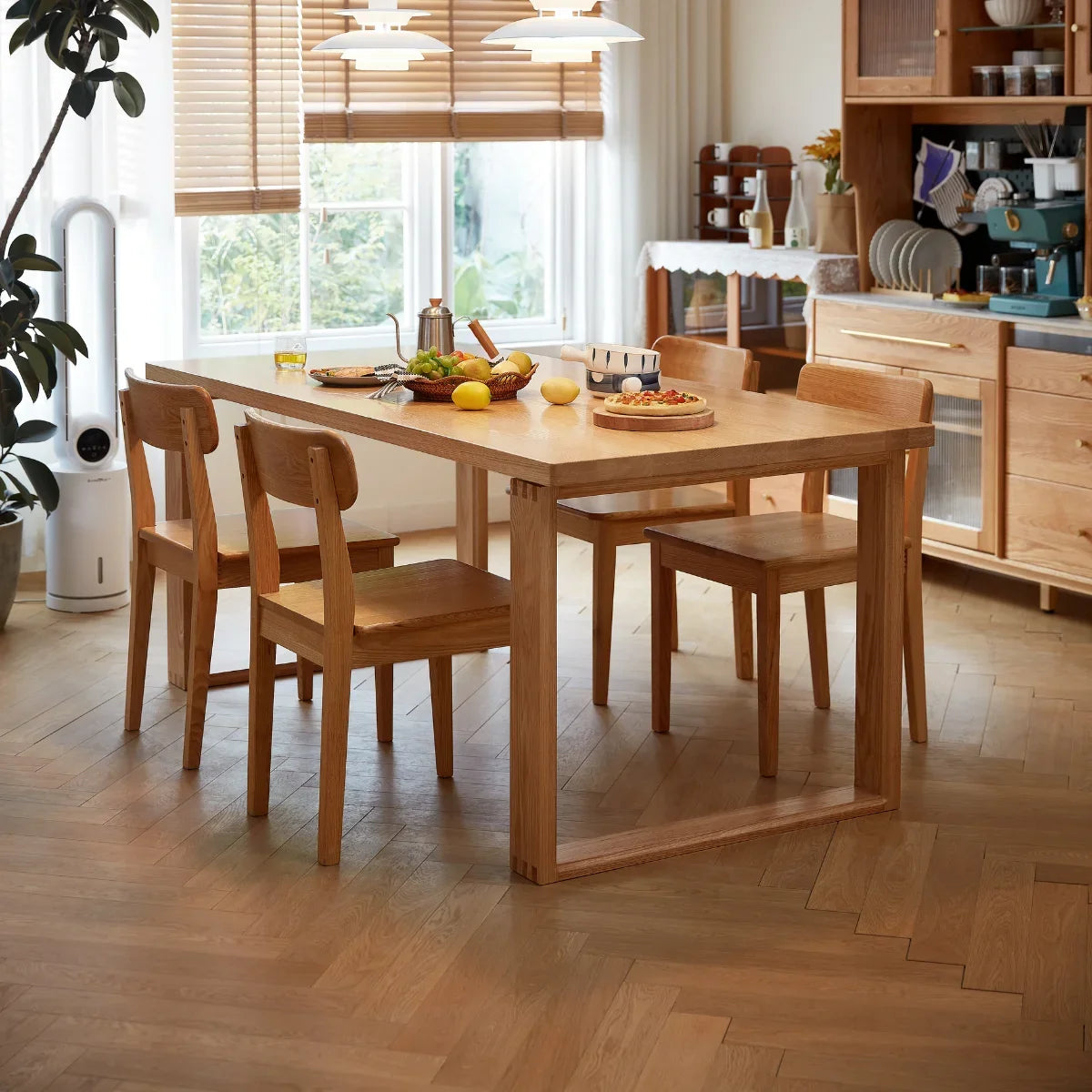
Choosing furniture made from solid wood? Here's the short answer: for most Malaysian homes, walnut, oak and teak are the best all-rounders for pieces that last, rubberwood is the best value, and ash and beech are lovely when you want a light, Scandinavian or Japandi look. The right choice comes down to your budget, the look you love, and how much humidity and daily wear the piece will face.
Below, we compare the 10 most common types of solid wood used in furniture: how they look, how hard-wearing they are, how they cope with Malaysia's humid climate, and which pieces they suit best. That way you can shop with confidence and invest in furniture you'll love for years.

Solid Wood Types at a Glance: Comparison Table
| Wood | Type | Colour & Grain | Durability | Humidity Resistance | Best For |
| Walnut | Hardwood | Rich chocolate brown, flowing grain | High | Good (stable once kiln-dried) | Bed frames, dining tables, cabinets |
| Oak | Hardwood | Light to mid honey, strong visible grain | Very high | Good (white oak very good) | Dining tables, chairs, consoles |
| Teak | Hardwood | Golden brown, naturally oily | High | Excellent | Outdoor, bathroom, heirloom pieces |
| Mahogany | Hardwood | Reddish brown, straight fine grain | Medium–High | Good | Cabinets, desks, classic dining sets |
| Cherry | Hardwood | Pinkish brown, deepens with age | Medium | Fair–Good | Dressers, cabinets, bedroom sets |
| Ash | Hardwood | Pale cream, bold straight grain | High (shock-resistant) | Fair (needs sealing) | Sofa frames & legs, chairs |
| Beech | Hardwood | Pale pinkish, fine even grain | High | Fair (moves with humidity) | Chairs, kids' furniture, bed slats |
| Acacia | Hardwood | Golden to dark brown, dramatic grain | High | Good | Coffee & dining tables, rustic pieces |
| Rubberwood | Hardwood | Light blonde, subtle grain | Medium | Good when treated & sealed | Dining sets, bed frames, family furniture |
| Pine | Softwood | Pale yellow with knots | Low–Medium | Fair | Shelving, budget & rustic pieces |
The 10 Most Common Types of Solid Wood Used in Furniture
1. Walnut Wood
Walnut is the wood designers reach for when they want a room to feel warm, rich and quietly luxurious. Its deep chocolate tones and flowing grain give every piece one-of-a-kind character, and it only gets more beautiful with time.

Why we love it:
- Rich, dark colour that hides small everyday marks
- Strong and stable once properly kiln-dried
- Elegant in modern, mid-century and Japandi interiors
Keep in mind:
- One of the more premium woods
- Can lighten slightly if left in strong direct sunlight
Best for: Bed frames, dining tables, sideboards and statement cabinets.
Shop the look: our Kylo Solid Wood Bed Frame brings the warmth of walnut into the bedroom. It's a cosy, grown-up centrepiece that makes your master bedroom feel like a boutique hotel stay.
2. Oak Wood
Oak is the classic all-rounder: strong, hard-wearing and full of character thanks to its distinctive grain. White oak in particular has a tight, closed grain that helps it resist moisture better than many other hardwoods.

Why we love it:
- Very hard and durable, perfect for pieces you use every day
- Beautiful visible grain in natural or light finishes
- Works with almost any style, from Scandinavian to modern farmhouse
Keep in mind:
- Heavier than most woods
- Quality oak sits in the mid-to-premium price range
Best for: Dining tables, dining chairs, consoles and shelving.
Shop the look: the Kenda Dining Table in oak wood is made for long weekend lunches, festive open houses and everyday family dinners.
3. Teak Wood
Teak is famous for a reason. Packed with natural oils, it resists moisture, rot and insects better than almost any other wood, which is why it has been used for boat decks and outdoor furniture for centuries. Native to South and Southeast Asia, it's naturally at home in our tropical climate.

Why we love it:
- Excellent resistance to humidity, water and termites
- Lasts for generations with very little maintenance
- Ages gracefully into a soft silver-grey patina outdoors if left untreated
Keep in mind:
- Premium price
- Quality varies between plantation grades, so ask about the source and grade
Best for: Outdoor and balcony furniture, bathroom pieces and heirloom dining sets.
4. Mahogany Wood
Mahogany brings timeless elegance with its reddish-brown colour and straight, fine grain. It's stable, easy to carve and takes a polish beautifully, which is why it's a favourite for classic furniture.

Why we love it:
- Stable and resistant to warping
- Polishes to a rich, glossy finish
- Timeless, classic look
Keep in mind:
- Genuine (Swietenia) mahogany is protected and rare; most 'mahogany' today is African or plantation-grown, so ask which species it is
- Its dark, formal look can feel heavy in small spaces
Best for: Cabinets, desks and traditional dining sets.
5. Cherry Wood
Cherry wood is loved for its smooth, satiny grain and warm pinkish-brown colour, which deepens into a rich reddish tone as it is exposed to light.

Why we love it:
- Develops a beautiful patina over time
- Smooth, fine grain with a refined look
- Elegant for bedroom and storage pieces
Keep in mind:
- Softer than oak, so it can dent
- Colour can darken unevenly if objects sit in one spot for long periods early on
Best for: Dressers, cabinets and bedroom sets.
6. Ash Wood
Ash is light, bright and surprisingly tough. Its strength and shock resistance are why it's traditionally used for tool handles and sports equipment, and why it makes an excellent sofa frame or leg.

Why we love it:
- Strong yet relatively lightweight
- Pale tone and straight grain, perfect for Scandinavian and Japandi spaces
- Good value for a hardwood
Keep in mind:
- Not naturally resistant to rot or insects, so it needs a proper finish
- Keep it away from wet areas
Best for: Sofa frames and legs, chairs and light-toned living room pieces.
Shop the look: the Yuta Fabric Sofa pairs soft upholstery with ash wood for a living room that feels light, airy and inviting.
7. Beech Wood
Beech is hard and heavy, with a fine, even grain and a soft pinkish tone. It bends beautifully when steamed, which is why so many classic café and bentwood chairs are made from beech.

Why we love it:
- Hard and wear-resistant
- Smooth surface that takes paint and stain well
- Affordable for a hardwood
Keep in mind:
- Expands and shrinks more than most woods as humidity changes, so choose well-sealed pieces
- Not suited to damp spots
Best for: Chairs, kids' furniture and bed slats.
8. Acacia Wood
Acacia grows quickly and abundantly in Southeast Asia, which makes it a more sustainable and affordable hardwood. Its dramatic grain, with streaks of honey, caramel and dark brown, gives each piece a warm, organic feel.

Why we love it:
- Hard and durable
- Naturally fairly water-resistant
- Striking grain that makes every piece unique
Keep in mind:
- Colour varies noticeably from piece to piece
- Often made from joined panels, so check the build quality
Best for: Coffee tables, dining tables and rustic or tropical modern interiors.
9. Rubberwood
Here's a fun fact: Malaysia is one of the world's biggest producers of rubberwood furniture. Rubberwood comes from rubber trees (Hevea brasiliensis) that are harvested for timber once they stop producing latex, so it's an eco-friendly choice that gives the tree a second life.

Why we love it:
- Great value: real hardwood at a friendly price
- Light, even colour that stains well
- Eco-friendly and locally sourced
Keep in mind:
- Must be properly treated and kiln-dried to resist fungus and insects
- Medium hardness, so use coasters and placemats
Best for: Dining sets, bed frames and everyday family furniture.
Shop the look: our Fika and Mika pieces are made from rubberwood, a smart choice for your first home or a busy family space.
10. Pine Wood
Pine is a softwood with a pale, yellowish tone and characteristic knots, giving it a relaxed, rustic charm.

Why we love it:
- Lightweight and affordable
- Easy to paint and customise
- Cosy rustic and cottage look
Keep in mind:
- Soft, so it dents and scratches easily
- Less stable in humid conditions and not ideal for heavy-use tables
Best for: Shelving, kids' rooms and budget-friendly pieces.
Hardwood vs Softwood: What's the Difference?
Despite the names, 'hardwood' and 'softwood' describe the type of tree, not exactly how hard the wood is. Hardwoods come from broadleaf trees such as oak, walnut and teak, while softwoods come from conifers such as pine and cedar. (Fun fact: balsa, one of the lightest woods in the world, is technically a hardwood.) In general, though, hardwoods are denser and more durable, which makes them better for furniture you use every day.
- Hardwood: denser, more durable, longer lifespan, usually a higher price
- Softwood: lighter, more affordable, easier to work with, dents more easily
Solid Wood vs Engineered Wood: Which Should You Choose?
Engineered wood includes materials like MDF (medium-density fibreboard), particleboard and plywood, usually finished with a wood veneer or laminate. It isn't 'bad'. It's stable, affordable and great for large flat panels like wardrobe doors, but it behaves very differently from solid wood.
Solid wood:
- Lasts for decades and can be sanded and refinished
- Natural grain and character, with no two pieces exactly alike
- Higher price and heavier, and it moves slightly with humidity
Engineered wood:
- Lower cost and a consistent, uniform look
- Less prone to warping
- Can swell if water gets into the edges, usually can't be refinished, and has a shorter lifespan
Tip: many quality pieces combine both, for example a solid wood frame with engineered panels. Always ask which parts are solid wood.
Choosing Solid Wood Furniture for Malaysian Homes
Humidity and Wood Movement
Malaysia's relative humidity often sits between 70% and 90%. Wood naturally absorbs and releases moisture, so it expands slightly in humid weather and shrinks in air-conditioned rooms. Choose furniture that has been properly kiln-dried and sealed, and look to stable woods like teak, walnut, oak and acacia for the pieces you use most.
Termites and Insects
Termites are a real concern in our tropical climate. Naturally resistant woods like teak hold up best, while woods like rubberwood should be treated during production. Keep furniture slightly away from damp walls, and check now and then for tiny holes or powdery wood dust.
Matching Wood to Your Lifestyle
- Homes with kids or pets: harder woods like oak, ash and acacia handle knocks better, and darker walnut hides small scratches.
- Small condos and apartments: light woods like ash, beech, oak and rubberwood make rooms feel bigger and brighter.
- Work-from-home setups: an oak or walnut desk feels grounded and premium for those long video calls.
- First homes on a budget: rubberwood gives you real solid-wood quality at a friendly price.
How to Care for Solid Wood Furniture
- Dust weekly with a soft, dry cloth. Wipe spills straight away with a slightly damp cloth, then dry.
- Use coasters, placemats and trivets, because heat and water rings are solid wood's biggest enemies.
- Keep pieces out of direct sunlight to prevent fading or uneven colour.
- Avoid placing furniture right under an aircond vent or near windows where rain can splash in.
- In closed rooms or storerooms, a dehumidifier helps prevent mould and swelling.
- Re-oil or wax oiled finishes every 6 to 12 months. For lacquered finishes, simply keep them clean.
- Skip harsh chemical cleaners and silicone sprays.
Find Your Perfect Solid Wood Piece at Mumu Living
Still deciding between walnut, oak or rubberwood? The best way to choose is to see and feel the wood in person. Visit a Mumu Living showroom in Shah Alam, Segambut (KL) or Johor Bahru, or browse our collection online to find solid wood furniture that fits your home, your style and the way you live.


